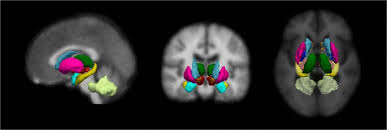
Multiple System Atrophy (MSA) and Parkinson’s Disease (PD) are both degenerative neurological disorders that affect movement and other bodily functions. However, despite some overlapping symptoms, they are distinct conditions with different prognoses and treatment approaches. Misdiagnosing MSA as Parkinson’s Disease can lead to significant delays in appropriate treatment, exacerbating the condition and impacting the patient’s quality of life.
The Challenge of Differentiating MSA from Parkinson’s Disease
Both MSA and Parkinson’s Disease manifest with symptoms like tremors, stiffness, and balance problems. However, MSA progresses more rapidly and often includes symptoms not typically seen in early Parkinson’s, such as significant blood pressure changes, severe autonomic dysfunction, and early onset of balance issues. The similarity in early symptoms often leads to an initial misdiagnosis of Parkinson’s Disease, causing crucial treatment delays.
The Consequences of Misdiagnosis
When MSA is misdiagnosed as Parkinson’s, patients often undergo treatments intended for Parkinson’s that are not only ineffective for MSA but can also mask or complicate the recognition of MSA-specific symptoms. This delay in correct diagnosis and treatment can be particularly detrimental given the rapid progression of MSA. In contrast to Parkinson’s Disease, which can be managed for many years, MSA often leads to severe disability and life-threatening complications much sooner.
The Lost Time in Battling MSA
The time lost in misdiagnosis is crucial. MSA progresses quickly, and early intervention is key to managing symptoms and maintaining quality of life. The delay in receiving appropriate treatment can result in faster decline, with patients losing valuable time that could have been used to slow the disease’s progression and address specific symptoms such as autonomic dysfunction.
The Importance of Education Among Healthcare Professionals
This frequent misdiagnosis highlights the need for better education and awareness among Primary Care Physicians (PCPs) and Neurologists. Many healthcare professionals may not be familiar with the nuances and distinct features of MSA, leading to an over-reliance on diagnosing more common conditions like Parkinson’s Disease. Enhanced training in movement disorders, a higher index of suspicion, and greater awareness of the differences between MSA and Parkinson’s are essential for early and accurate diagnosis.
“Decoding MSA: Distinguishing it from Similar Neurological Disorders”
Multiple System Atrophy (MSA) often presents a diagnostic challenge, frequently being misdiagnosed as other Parkinsonisms due to overlapping symptoms. Accurate diagnosis is crucial for effective treatment and management. This post delves into how MSA is differentiated from similar conditions.
MSA vs. Parkinson’s Disease
While MSA shares symptoms with Parkinson’s, such as tremors and rigidity, it progresses more rapidly and typically doesn’t respond well to Parkinson’s medications.
MSA vs. Pure Autonomic Failure (PAF)
PAF primarily affects autonomic functions without motor symptoms, whereas MSA includes both autonomic failure and motor impairments.
MSA vs. Progressive Supranuclear Palsy (PSP)
PSP is characterized by specific eye movement limitations and other neurological signs, which are less prominent in MSA.
MSA vs. Corticobasal Ganglionic Degeneration
Corticobasal degeneration presents with more pronounced asymmetric motor symptoms, differing from MSA’s symptom pattern.
MSA vs. Cerebrovascular Syndromes
Cerebrovascular syndromes typically show vascular lesions in imaging studies, which are not a feature of MSA.
Understanding these distinctions can help in managing MSA effectively and underscores the importance of specialized neurological evaluation.
Conclusion: A Call for Change
The misdiagnosis of MSA as Parkinson’s Disease is more than a medical error; it’s a lost opportunity to combat a devastating disease at its onset. There’s an urgent need to enhance the understanding of MSA among medical professionals. This increased awareness can lead to earlier diagnosis, more appropriate treatment, and potentially improved outcomes for those suffering from this aggressive disorder. By educating healthcare providers and advocating for more research into MSA, we can hope to reduce the frequency of misdiagnosis and offer better support to those affected by this challenging condition.
~Coach~


 Living Beyond the Diagnosis
Leave a reply to Dan McHale Cancel reply