If you are a reader of this Blog, you know I recently returned from The Mayo Clinic in Rochester MN, disappointed and dejected after having been denied entrance into their Clinical Stem Cell Trial for MSA. Shame on me for not having a back-up plan! After recovering from the pain of having been denied, I set out to find the next best set of trials available to MSA sufferers looking for a “Miracle”. This is part 4 of a 4 part series, in which I share the results of my month long research. I will leave it to you to find the best trial for you. So, with number four in my series I present …
Part 4 of 4: “Rasagiline (Teva) Trial for MSA-P: A Patient’s Perspective”
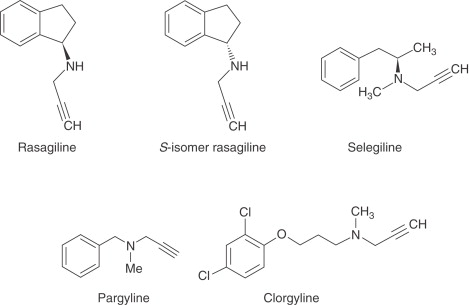
As someone living with Multiple System Atrophy of the Parkinsonian subtype (MSA-P), finding effective treatment options is crucial. The clinical trial assessing the efficacy, safety, and tolerability of Rasagiline Mesylate 1 mg, sponsored by Teva Branded Pharmaceutical Products R&D, Inc., caught my attention. This trial aimed to evaluate the impact of rasagiline, a drug used for Parkinson’s disease, on people like me with MSA-P.
The Trial at a Glance:
- Objective: The primary goal was to test the effectiveness of rasagiline on MSA-P symptoms over 48 weeks, with 174 participants enrolled.
- Outcome Measures: The key metrics included changes in the Unified Multiple System Atrophy Rating Scale (UMSARS), which assesses the severity of MSA symptoms, as well as the Clinical Global Impression Improvement scale, among others.
Pros and Cons:
Pros:
- Targeted Approach: Rasagiline has shown promise in Parkinson’s disease, so its potential benefit for MSA-P, which shares some Parkinsonian features, was worth exploring.
- Comprehensive Assessment: The trial used various scales and measures like UMSARS, CGI-I, COMPASS_Select, and MSA-QoL, providing a broad view of rasagiline’s impact on different MSA-P symptoms.
Cons:
- Specific Eligibility: The trial’s criteria limited participation to those within 3 years of MSA diagnosis and with an expected survival of at least 3 years.
- Uncertain Outcomes: Like all trials, there’s no guarantee of success, and results may vary among individuals.
Reflections and Hopes:
This trial represented a beacon of hope for me and many others. While the thought of participating in a trial can be daunting, the possibility of finding a drug that could alleviate some of our symptoms is a powerful motivator. Even though this portion of the trial is complete, its findings could pave the way for future treatments, additional trials, and deepen our understanding of MSA-P.
Conclusion:
The Rasagiline Mesylate trial is a vital step in the ongoing journey to find effective treatments for MSA-P. It symbolizes the relentless pursuit of better quality of life for people like me. While we await detailed results and their implications, our hope remains undiminished – hope for advancements, hope for better days.
~Coach~

 Living Beyond the Diagnosis
Leave a comment