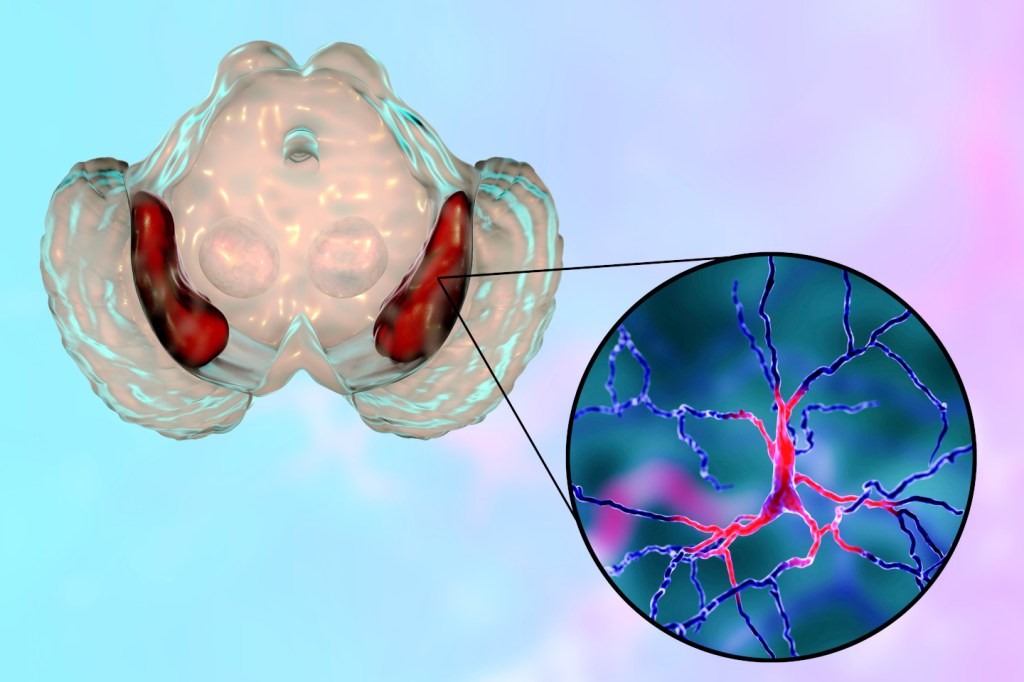
Early detection of Multiple System Atrophy (MSA) is crucial for effective management and treatment. Symptoms of MSA can be subtle and progressive, making it important to seek medical attention if they persist or worsen over time. A neurologist or movement disorder specialist can perform a thorough evaluation, including clinical assessments, imaging studies, and genetic testing, to confirm the diagnosis. Early detection can help slow disease progression and improve quality of life for individuals with MSA.
MSA is most often diagnosed in men older than 60.
There are certain signs and symptoms that may indicate the possibility of MSA, including:
- Autonomic dysfunction: Symptoms such as orthostatic hypotension (low blood pressure upon standing), urinary problems, and sexual dysfunction.
- Motor symptoms: These may include parkinsonism (rigidity, bradykinesia, and tremors), ataxia (lack of muscle coordination), and dystonia (involuntary muscle contractions).
- Sleep disorders: Rapid eye movement (REM) sleep behavior disorder and sleep apnea are commonly observed in MSA patients.
To diagnose MSA, a comprehensive evaluation by a neurologist is necessary, which may include a detailed medical history, physical examination, and various tests such as blood tests, brain imaging (MRI or CT scan), DaTscan, and autonomic function tests.
You can find more information about early detection and diagnosis of MSA from reputable sources such as:
- Mayo Clinic: https://www.mayoclinic.org/diseases-conditions/multiple-system-atrophy/diagnosis-treatment/drc-20353692
- National Institute of Neurological Disorders and Stroke: https://www.ninds.nih.gov/Disorders/All-Disorders/Multiple-System-Atrophy-Information-Page
- Multiple System Atrophy Coalition: https://www.multiplesystematrophy.org/about-msa/diagnosing-msa
*Please note that early detection and diagnosis of MSA should be done by healthcare professionals, and it is important to consult with a medical expert for accurate assessment and guidance.
What are the latest updates on multiple system atrophy?
NINDS, part of the National Institutes of Health, and other NIH institutes support research on MSA and related disorders. NINDS supports research to develop and test better clinical measures for MSA and validate biological markers for accurate diagnosis and improved treatment, which can help ensure that clinical trials of any therapies developed for MSA are able to enroll the individuals most likely to benefit.
Other efforts include the NINDS Biospecimen Exchange for Neurological Disorders (BioSEND), which houses biological samples such as blood or spinal fluid collected through NINDS-supported studies focused on biomarkers, and the NINDS Data Management Resource (DMR), which provides researchers with tools that allow for the collection and quality assurance of clinical data in a standardized format. NINDS also participates in Accelerating Medicines Partnership® Parkinson’s Disease (AMP PD)—a public-private collaboration focused on biomarker discovery to advance therapies for Parkinson’s disease and other synucleinopathies, including MSA.
Coming Soon: Hope for MSA Patients May Lie in Current Clinical Trials


 Living Beyond the Diagnosis
Leave a comment