When it comes to this disease, you better get used to, 3 terms: 1) Multiple System Atrophy – The disease itself. Often misdiagnosed and ALLWAYS misunderstood. You will need to be your best advocate, until you find a team you feel you can count on. (More on this in an upcoming post. I will let you in on a great Southern CA team). 2) Autonomic Dysfunction – The Bitch that rules your life and 3) Orthostatic Hypotension – The POS you need to pay closest attention to, if you are to stay healthy enough, to fight the good fight against MSA!
I started you done the path with the first Page on this Blog .. “What is MSA?”. This Page will begin your understanding of “Autonomic Dysfunction”, and believe me the Google Rabbit Hole, is a DEEP one! and later I will create a Page on “Orthostatic Hypotension” and share my experience with it. For now …
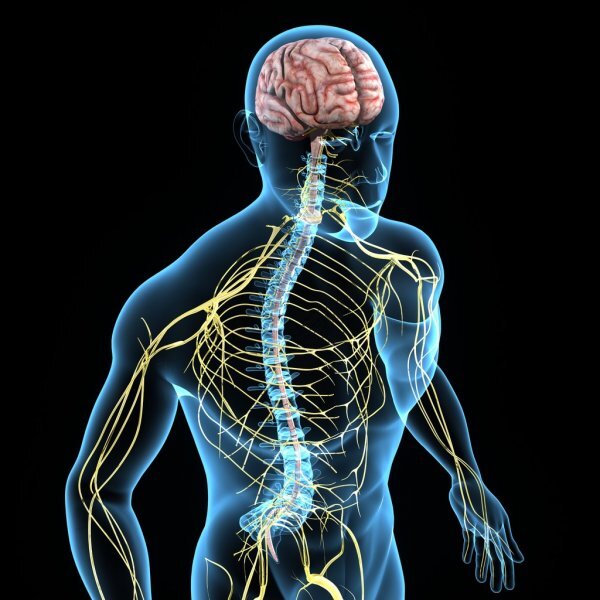
Autonomic Dysfunction refers to issues with the autonomic nervous system (ANS), the part of our nervous system that manages automatic body functions we don’t consciously control, like heart rate, blood pressure, digestion, and temperature regulation.
Now, let’s relate it to Multiple System Atrophy (MSA):
- MSA and the Autonomic Nervous System: MSA is a rare neurological disorder that causes both movement problems and issues with autonomic functions. The degeneration in certain areas of the brain in MSA directly affects the ANS, leading to autonomic dysfunction.
- Symptoms of Autonomic Dysfunction in MSA: People with MSA can experience a wide range of autonomic symptoms, including:
- Orthostatic Hypotension: A significant drop in blood pressure when standing up, leading to dizziness or fainting.
- Bladder Issues: Difficulty controlling urination or an overactive bladder.
- Digestive Problems: Constipation or issues with swallowing.
- Temperature Irregularities: Reduced ability to sweat or detect temperature changes, leading to overheating or cold sensations.
- Why It Happens: In MSA, the brain cells that help control the ANS begin to deteriorate. This means that the signals which usually regulate automatic functions become disrupted or fail, leading to the symptoms of autonomic dysfunction.
- Managing Symptoms: Autonomic dysfunction in MSA can be challenging to manage due to the progressive nature of the disease. Treatment usually focuses on addressing specific symptoms. For example, medications can be used to raise blood pressure if orthostatic hypotension is an issue, or specific strategies can be employed to handle bladder or digestive problems.
In summary, autonomic dysfunction in MSA represents a significant part of the challenges faced by patients with this condition. While movement symptoms (like those similar to Parkinson’s disease) are often more visible, the effects on the autonomic system can have a profound impact on daily life. Proper care and a multidisciplinary approach are crucial for managing the diverse symptoms of MSA.
Sharing this journey isn’t just about me; it’s about raising awareness for MSA and contributing to the incredible work of the Michael J Fox Foundation. https://give.michaeljfox.org/give/421686/#!/donation/checkout Won’t you please consider making a donation 😊
Thank you for being a part of my journey. 🙏💪 #MSAawareness #ResilienceInAdversity
 Living Beyond the Diagnosis
Leave a comment