Harvard Biomarkers Study
-
Continued from May-MyTrial Journey: Treatment Decision Week 1 Update

MyTrial at Brigham and Women’s Hospital. The innovative approach of Khurana Labs & The Harvard BioMarkers Study gave me hope then, and today, I’m excited to update you on my second trip to Boston and the beginning of my treatment journey. Continue reading
-
MyTrial – Day 3 pm Agenda Part 2 – A Journey of Hope: Participating in the MyTrial Program – The Skin Biopsies
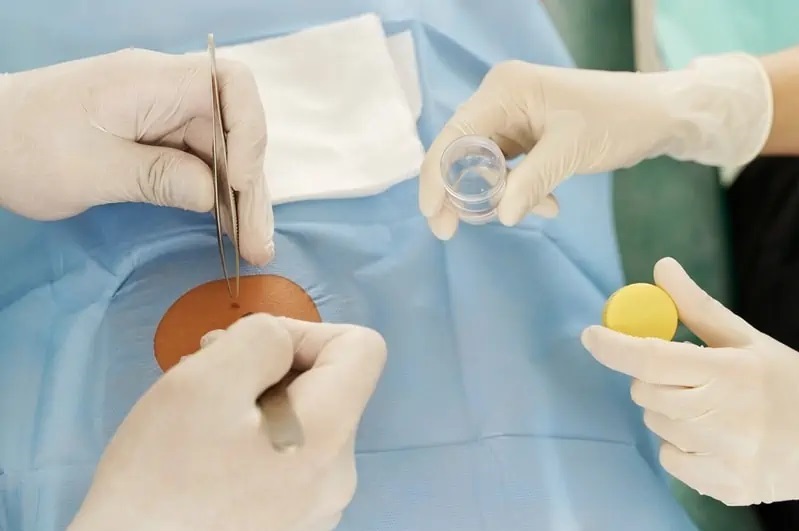
The MyTrial program has now shown me its cutting-edge research and innovative approaches to understanding and treating neurodegenerative diseases. The second step of the day involved skin biopsies, a pivotal part of the research process. Continue reading
-
MyTrial – Day 3 pm Agenda Part 1 – A Journey Through Hope: Navigating Neurodegenerative Disease: Participating in the CLIMB Study

Understanding the immune system’s role is crucial, as it can help determine how inflammation might contribute to the progression of MSA. This kind of data is invaluable for developing new therapeutic strategies and potentially slowing the disease’s progression. Continue reading
-
MyTrial – Day 2 am Agenda Part 2 – Navigating Multiple System Atrophy: A Journey Through the Longitudinal Study
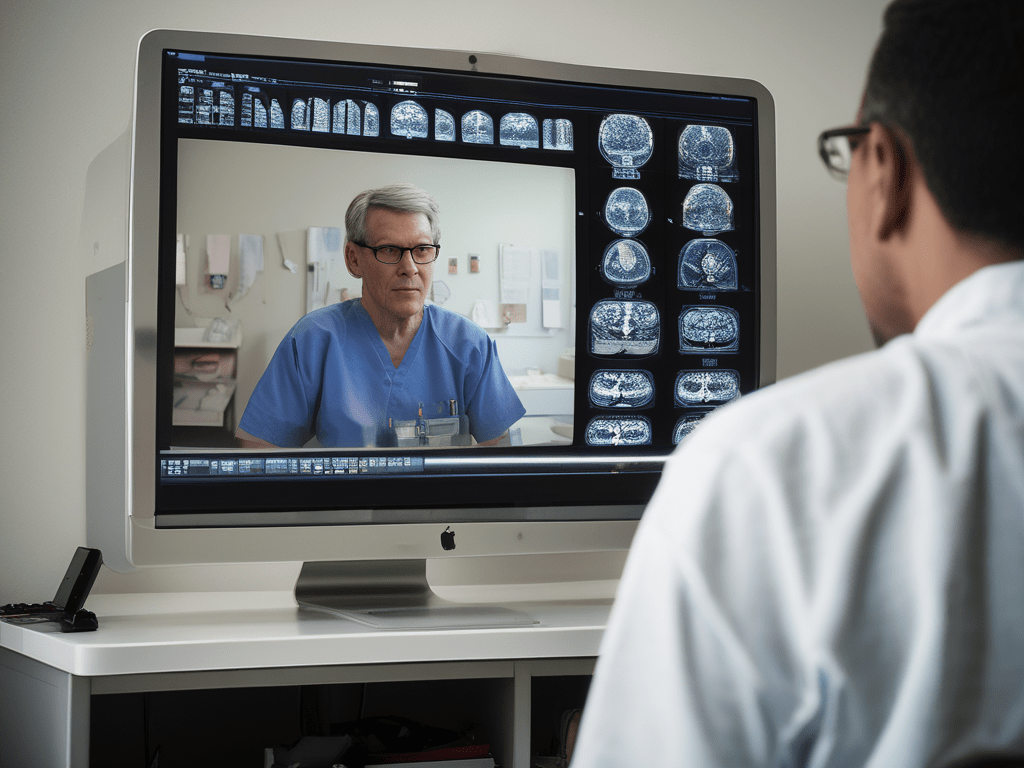
Longitudinal Neuroimaging – Functional magnetic resonance imaging (fMRI) investigations of a longitudinal nature, where participants are scanned repeatedly over time and imaging data are obtained at more than one time-point, are essential to understanding functional changes and development in healthy and pathological brains Continue reading
-
MyTrial – Day 2 am Agenda Part 1 – Navigating Multiple System Atrophy: A Journey Through the Harvard Biomarkers Study

The technology driving the MyTrial program is both advanced and innovative. By leveraging stunning technological breakthroughs, researchers can now envision a future where precision medicine is not just a concept but a reality for degenerative brain disorders. Continue reading
-
MyTrial Experience: Charting a New Path in MSA Treatment

“deep phenotyping,” and it involves tracking our disease progression with various clinical measurements, including biometrics, biomarkers from blood and spinal fluid, and advanced brain imaging techniques like MRI and PET scans. Continue reading
 Living Beyond the Diagnosis