Khurana Labs
-
Continued from May-MyTrial Journey: Treatment Decision Week 1 Update

MyTrial at Brigham and Women’s Hospital. The innovative approach of Khurana Labs & The Harvard BioMarkers Study gave me hope then, and today, I’m excited to update you on my second trip to Boston and the beginning of my treatment journey. Continue reading
-
Post 3 in a Series: My Journey with MyTrial – The First Steps Foralumab & Exenatide

After completing the initial battery of tests, my doctors identified two potential treatments to kick off my journey with MyTrial: Exenatide, a GLP1 agonist, and Foralumab, an anti-CD3 monoclonal antibody. Let me share why these treatments were chosen and what the doctors had to say about them. Continue reading
-
The MyTrial Series: Time Spent Between MyTrial Visit 1 & 2 – May to November 2024

As I continue this journey, I remain committed to the MyTrial process, knowing that it’s a critical step towards finding personalized treatments that could significantly impact my life and the lives of others with MSA. I remind myself that MyTrial is a long-term commitment. The tests and evaluations conducted are thorough and require time to… Continue reading
-
The MyTrial Series – Home From Boston and Still Testing – The Accelerometer Home Evaluation

This detailed analysis provides a comprehensive view of my motor function, helping researchers quantify gait abnormalities, track disease progression, and develop tailored treatment plans. Continue reading
-
MyTrial – Day 3 pm Agenda Part 2 – A Journey of Hope: Participating in the MyTrial Program – The Skin Biopsies
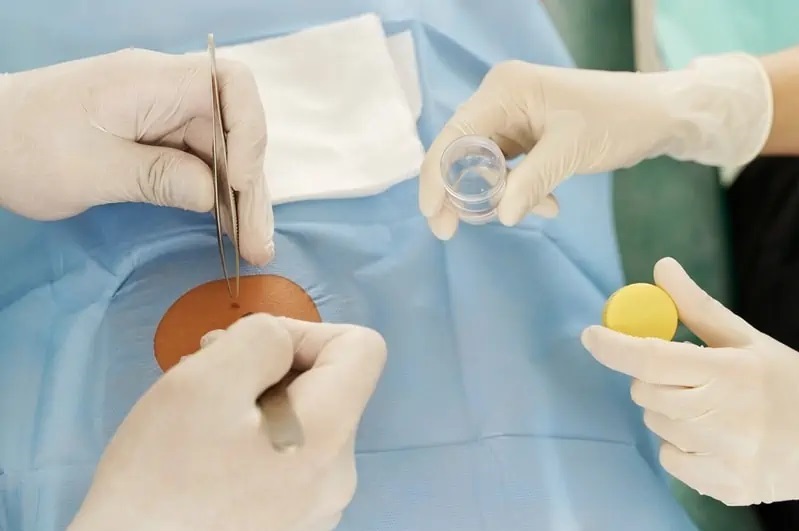
The MyTrial program has now shown me its cutting-edge research and innovative approaches to understanding and treating neurodegenerative diseases. The second step of the day involved skin biopsies, a pivotal part of the research process. Continue reading
-
MyTrial – Day 3 pm Agenda Part 1 – A Journey Through Hope: Navigating Neurodegenerative Disease: Participating in the CLIMB Study

Understanding the immune system’s role is crucial, as it can help determine how inflammation might contribute to the progression of MSA. This kind of data is invaluable for developing new therapeutic strategies and potentially slowing the disease’s progression. Continue reading
-
MyTrial – Day 2 am Agenda Part 2 – Navigating Multiple System Atrophy: A Journey Through the Longitudinal Study

Longitudinal Neuroimaging – Functional magnetic resonance imaging (fMRI) investigations of a longitudinal nature, where participants are scanned repeatedly over time and imaging data are obtained at more than one time-point, are essential to understanding functional changes and development in healthy and pathological brains Continue reading
-
MyTrial – Day 2 am Agenda Part 1 – Navigating Multiple System Atrophy: A Journey Through the Harvard Biomarkers Study

The technology driving the MyTrial program is both advanced and innovative. By leveraging stunning technological breakthroughs, researchers can now envision a future where precision medicine is not just a concept but a reality for degenerative brain disorders. Continue reading
-
MyTrial – Day 1 pm Agenda – Navigating the Journey: My Experience with a PBR06 PET Scan for Multiple System Atrophy

The PBR06 PET Scan is a specialized type of imaging that uses a radioactive tracer called PBR06 to visualize inflammation in the brain. PET stands for Positron Emission Tomography, a technique that helps doctors see how tissues and organs are functioning. Continue reading
-
MyTrial – Day 1 am Agenda – Understanding SY08 PET Scans in the Diagnosis and Management of Multiple System Atrophy (MSA)
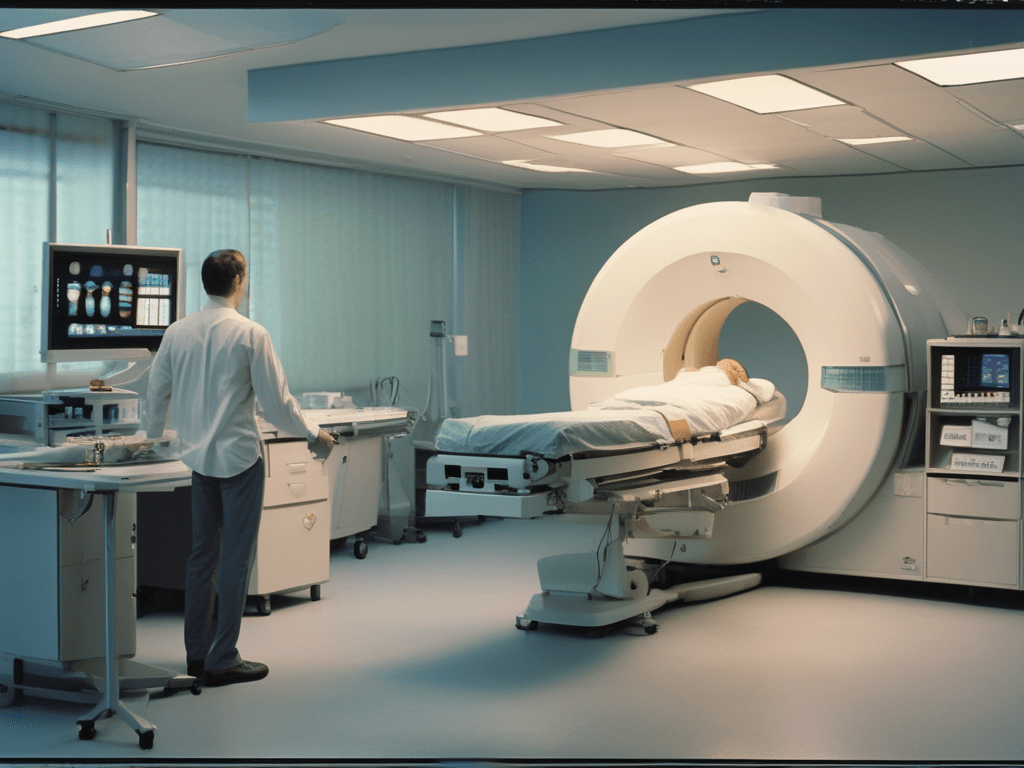
MSA can be difficult to distinguish from other disorders such as Parkinson’s disease. SY08 PET scans can reveal characteristic patterns of brain activity that help differentiate MSA from other neurodegenerative conditions, enabling a more accurate diagnosis. Continue reading
 Living Beyond the Diagnosis