This occurrence stems from the progressive degeneration of specific brain regions responsible for regulating fine motor skills, such as those involved in the act of writing. As MSA advances, the deterioration of these brain areas intensifies, impeding the precise coordination of hand and finger movements necessary for writing. Consequently, patients experience a gradual diminishment in the size and legibility of their handwriting. To address this challenge, interventions tailored to assist individuals with MSA in maintaining their ability to communicate through writing can be implemented. These may encompass occupational therapy techniques aimed at enhancing motor control and coordination, as well as adaptive tools and technologies designed to facilitate writing tasks. Moreover, healthcare professionals can offer strategies to adapt writing techniques and utilize assistive devices to optimize legibility and ease of writing for individuals grappling with Micrographia associated with MSA. Additionally, ongoing research into potential therapeutic interventions targeting the underlying neurodegenerative processes of MSA may hold promise for mitigating or delaying the progression of Micrographia and related symptoms.
Micrographia, characterized by small and cramped handwriting, presents itself as a frequent symptom among individuals diagnosed with Multiple System Atrophy (MSA). This condition, while often overlooked, significantly impacts the daily lives of those affected. But what exactly causes Micrographia in MSA, and how can individuals cope with its challenges?
*Remember: Multiple System Atrophy is a rare neurodegenerative disorder that affects various parts of the brain responsible for regulating essential bodily functions. One of the hallmark features of MSA is the degeneration of brain regions involved in fine motor skills, including those crucial for writing. As the disease progresses, the deterioration of these areas exacerbates, leading to difficulties in controlling the intricate movements of the hands and fingers necessary for writing.
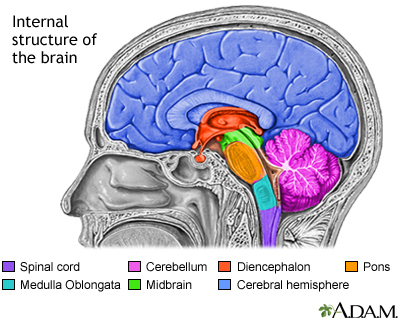
So, why does Micrographia occur in MSA? The answer lies in the underlying neurobiology of the disease. MSA primarily affects the basal ganglia and cerebellum, regions crucial for coordinating motor movements. As these areas degenerate, the brain’s ability to precisely control hand movements diminishes, resulting in smaller, cramped, and often illegible handwriting.
The progression of MSA poses significant challenges for patients, as they grapple with the gradual loss of motor control. However, there are strategies to help manage Micrographia and its associated difficulties. Occupational therapy plays a vital role in improving motor skills and enhancing coordination. Through specialized exercises and techniques, individuals can learn how to compensate for their diminishing motor abilities, making writing more manageable.
Furthermore, adaptive tools and assistive technologies can provide invaluable support for individuals with Micrographia. From ergonomic writing utensils to speech-to-text software, these aids offer alternative methods of communication, reducing the frustration associated with impaired handwriting.
Education and awareness also play essential roles in addressing Micrographia in MSA. Healthcare professionals, caregivers, and patients alike must understand the nature of this symptom and its impact on daily life. By fostering a supportive environment and implementing practical interventions, individuals with MSA can navigate the challenges of Micrographia more effectively.
In addition to managing symptoms, ongoing research into potential treatments for MSA offers hope for the future. While there is currently no cure for the disease, advancements in medical science may one day provide therapies that slow its progression and alleviate symptoms such as Micrographia.
In conclusion, Micrographia in Multiple System Atrophy stems from the progressive degeneration of brain regions responsible for fine motor control. Although challenging, individuals with MSA can employ various strategies to cope with this symptom and maintain their ability to communicate effectively. Through a combination of occupational therapy, assistive technologies, and ongoing research efforts, we can strive to improve the quality of life for those living with MSA and Micrographia.

 Living Beyond the Diagnosis
Leave a comment