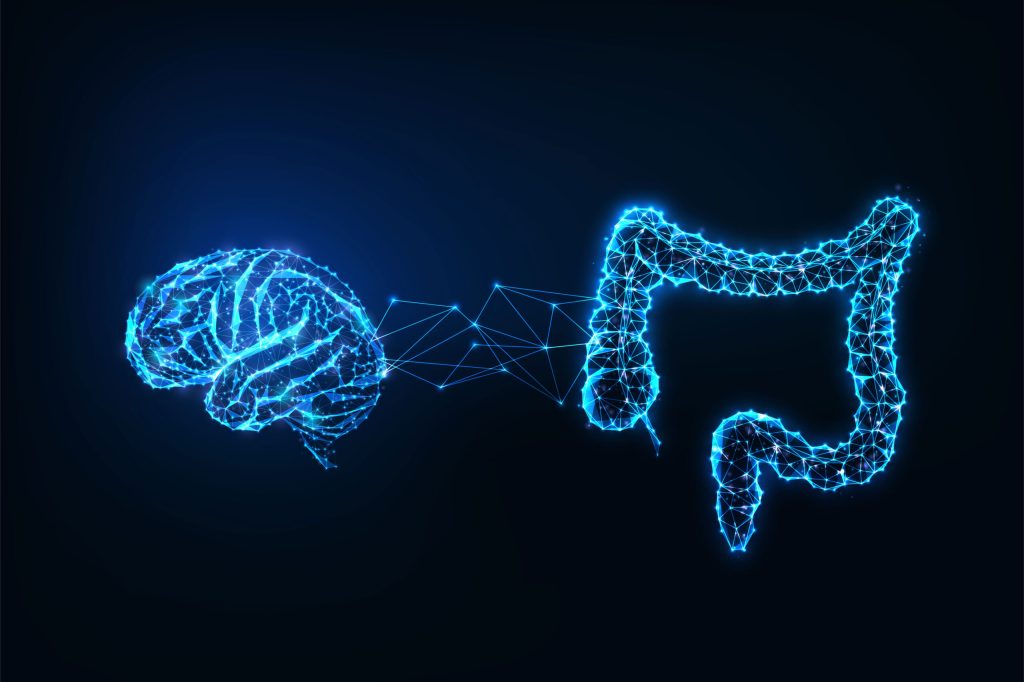
In our previous post, we looked into the intriguing relationship between the gut and the brain, exploring how the bacteria residing in our digestive system might play a pivotal role in brain diseases like Multiple System Atrophy (MSA). We discussed the potential influence of gut bacteria on the formation of Prion-like proteins and their impact on MSA. Today, we’re going to take this fascinating journey a step further and explore another aspect of the body’s defense against neurodegenerative diseases: autophagy.
Autophagy: Nature’s Cleanup Crew
Autophagy, often referred to as the body’s self-cleaning process, is a remarkable cellular mechanism that helps maintain the health and vitality of our cells, tissues, and organs. It’s like having a team of microscopic janitors constantly tidying up the cellular landscape, removing damaged or misfolded proteins, and recycling cellular components that are no longer needed.
Think of autophagy as a natural recycling program within your body. It identifies and engulfs cellular waste, damaged proteins, and even unwanted microorganisms, breaking them down into their basic building blocks for reuse. This process is essential for the body’s overall well-being and plays a crucial role in preventing the accumulation of toxic substances, such as misfolded proteins like Alpha-Synuclein in MSA.
The Autophagy-Prion Connection
So, what does autophagy have to do with the gut-brain connection we discussed in our previous post? Well, it turns out that autophagy could be a key player in the battle against neurodegenerative diseases like MSA.
In the context of MSA, where the accumulation of misfolded Alpha-Synuclein protein in the brain is a hallmark of the disease, autophagy’s role becomes even more significant. Autophagy is responsible for recognizing and degrading misfolded proteins, and when it functions optimally, it helps maintain the balance between protein production and clearance in the brain.
However, disruptions in the autophagy process can lead to the buildup of toxic proteins like Alpha-Synuclein, contributing to the progression of MSA. Researchers are now exploring whether the gut-brain connection we mentioned earlier could impact autophagy.
The Gut-Brain-Autophagy Nexus
Recent studies have started to unveil the intricate web of connections between the gut, the brain, and autophagy. It’s possible that the gut microbiome, specifically the bacteria capable of producing Prion-like proteins, could influence autophagy within the brain.
Here’s how it might work: Certain gut bacteria might trigger the production of Prion-like proteins that can travel to the brain, as we discussed in our previous post. Once in the brain, these proteins could interfere with the autophagy process, impairing the cell’s ability to clear misfolded proteins efficiently. This disruption could potentially exacerbate neurodegenerative diseases like MSA.
A New Frontier for Treatment
Understanding the role of autophagy in the gut-brain connection of MSA opens up new possibilities for treatment. If researchers can identify specific gut bacteria or substances that influence autophagy in the brain, they may uncover novel therapeutic approaches.
Imagine being able to modulate the gut microbiome to enhance autophagy in the brain, facilitating the removal of misfolded proteins like Alpha-Synuclein. Such interventions could slow down or even halt the progression of MSA, offering hope to those affected by this challenging condition.
Furthermore, an improved understanding of the interplay between the gut, the brain, and autophagy may lead to early detection methods for MSA. Changes in gut bacteria or autophagy markers could serve as potential biomarkers, enabling doctors to diagnose MSA in its early stages when intervention is most effective.
In Conclusion
The exploration of the gut-brain connection and its potential impact on autophagy in MSA represents a frontier in medical research. As we unravel the complex interactions between our gut, our brain, and the cellular cleanup crew of autophagy, we inch closer to better treatments and, perhaps, a cure for MSA.
This journey reminds us of the incredible interconnectedness of our bodily systems and how seemingly small changes in one area can have profound effects elsewhere. By staying informed and supporting scientific research, we contribute to the ongoing quest to unlock the mysteries of neurodegenerative diseases and improve the lives of those affected by them.
In our ever-evolving understanding of the human body, it’s clear that even the tiniest details, like the bacteria in our gut and the cellular cleanup crew of autophagy, hold the potential to solve some of the most significant health challenges we face. The future of health and medicine continues to be a story of exploring the small things to tackle big problems. Stay curious, stay informed, and join us in this remarkable journey of discovery.
~Coach~


 Living Beyond the Diagnosis
Leave a comment